Comprehensive Eye Examination: The Foundation of Lifelong Vision Care
Vision is one of the most important senses, contributing to education, employment, mobility, and overall quality of life. Despite advances in eye care, millions of people continue to experience vision impairment due to conditions that are largely preventable or treatable if detected early. A comprehensive eye examination is the cornerstone of preventive eye care, enabling early diagnosis and timely management before irreversible vision loss occurs.
Unlike a basic vision screening that checks only visual acuity, a comprehensive eye examination evaluates the entire visual system—including the cornea, lens, retina, optic nerve, eye muscles, eye pressure, and refractive status. This holistic assessment helps identify not only common refractive errors but also sight-threatening diseases such as cataract, glaucoma, diabetic retinopathy, age-related macular degeneration, retinal disorders, and corneal diseases.
Why It Matters in India
Many of these conditions progress silently without pain or noticeable symptoms in their early stages. By the time vision becomes affected, permanent damage may already have occurred. Regular comprehensive eye examinations are therefore essential for early detection, prompt intervention, and long-term preservation of vision.
Common Eye Conditions We Detect
A comprehensive eye examination helps diagnose:
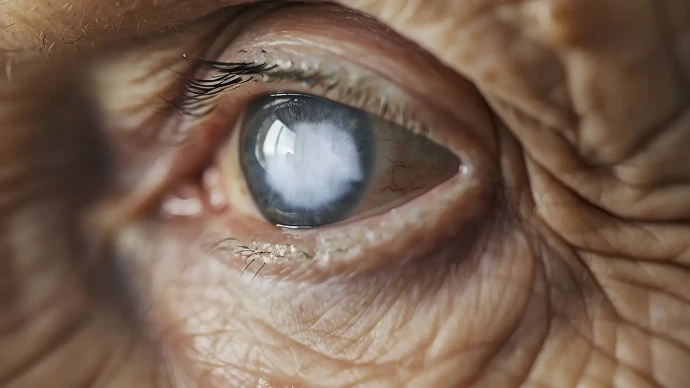
- Cataract
- Glaucoma
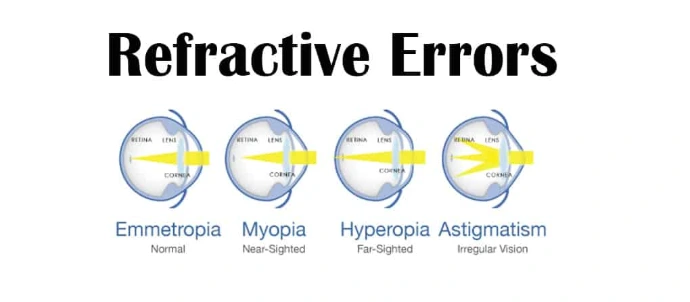
- Refractive Errors
- Dry Eyes
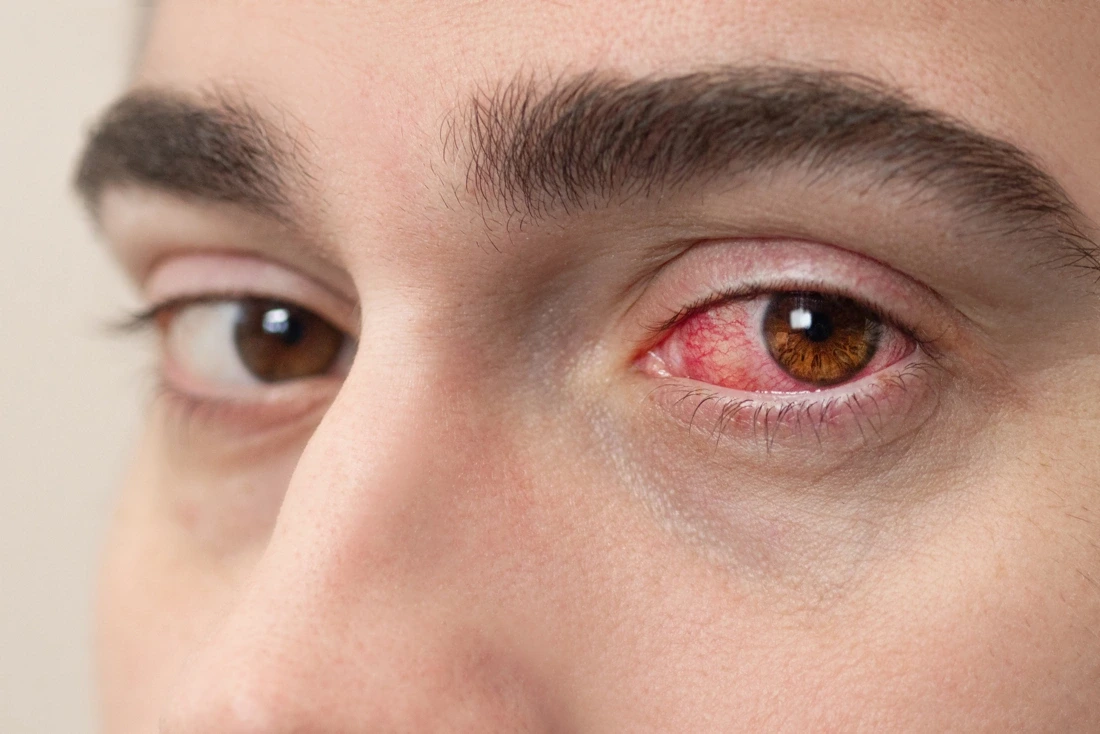
- Conjunctivitis
- Corneal Diseases
- Diabetic Retinopathy
- Hypertensive Retinopathy
- Retinal Disorders
- Macular Degeneration
- Optic Nerve Diseases
- Eye Allergies
- Squint
- Lazy Eye
- Keratoconus
The Need for Preventive Eye Care
- Detect eye diseases before symptoms appear.
- Monitor changes in vision over time.
- Prevent avoidable blindness through early treatment.
- Improve educational performance in children by identifying vision problems.
- Enhance productivity and quality of life in working adults.
- Preserve independence and mobility among senior citizens.
Preventive eye care is significantly more effective and economical than treating advanced eye disease, making regular eye examinations a vital component of overall healthcare.
Comprehensive Eye Examination: More Than a Vision Test
Many people believe that an eye examination is only required when vision becomes blurred or when new spectacles are needed. In reality, a comprehensive eye examination is a detailed medical evaluation of the health of the eyes.
During the examination, ophthalmologists assess:
- Visual acuity and refractive status
- Eye pressure for glaucoma detection
- Corneal health
- Lens clarity for cataract evaluation
- Retinal and macular health
- Optic nerve condition
- Eye muscle coordination
- Tear film and ocular surface health
- Systemic disease-related eye changes
These evaluations provide valuable insights into both ocular and general health, as diseases such as diabetes, hypertension, autoimmune disorders, and certain neurological conditions often produce early signs within the eye.
Early Detection Saves Vision
- Reduce the risk of permanent vision loss.
- Improve surgical and medical treatment outcomes.
- Lower long-term healthcare costs.
- Minimize complications associated with chronic eye diseases.
- Enhance patient confidence and quality of life.
Our Commitment at Divya Drishti Advance Eye Care
Whether you are visiting for a routine check-up, experiencing vision changes, managing diabetes, or seeking specialized eye care, our goal is to provide compassionate, evidence-based care that safeguards your eyesight today and for the future.