Skip to Content

Pediatric Eye Care

Specialized Eye Care for Children

Children’s eyes are still developing, making early detection and treatment of eye problems especially important. At Divya Drishti Advance Eye Care, we provide comprehensive pediatric eye care to help children achieve clear vision and healthy visual development.

Our pediatric eye care services focus on the early diagnosis, treatment, and management of eye conditions affecting infants, children, and adolescents. We provide a child-friendly environment designed to make eye examinations comfortable and stress-free.

Pediatric Eye Care: Key Facts & Figures


Our intuitive system ensures effortless navigation for users of all skill levels. Its clean interface and logical organization make tasks easy to complete. With tooltips and contextual help, users quickly become productive, enjoying a smooth and efficient experience.

Global Child Eye Health at a Glance

  • More than 450 million children and adolescents worldwide have an eye condition that requires treatment or vision correction.
  • Approximately 90 million children and adolescents live with some degree of sight loss, including around 2 million children who are blind.
  • Around 448 million children and adolescents are affected by refractive errors such as myopia (short-sightedness) and hyperopia (long-sightedness).
  • Studies suggest that up to 40% of childhood blindness could be prevented or effectively managed through timely diagnosis and treatment.  

Rising Myopia (Nearsightedness) Among Children

  • The global prevalence of myopia among children and adolescents increased from approximately 24% in 1990 to nearly 36% by 2023, with the sharpest rise occurring during the last five years.
  • Researchers project that nearly 740 million children and teenagers may be affected by myopia by 2050 if current trends continue.
  • In many urban regions, childhood myopia has increased significantly due to increased screen exposure and reduced outdoor activities.
  • During and after the COVID-19 period, some studies reported a 1.5-fold increase in myopia progression among school-aged children.

Why Early Eye Examinations Matter

  • Uncorrected refractive errors remain one of the leading causes of visual impairment in children worldwide.
  • Conditions such as lazy eye (amblyopia) and squint (strabismus) are most effectively treated when detected early in childhood.
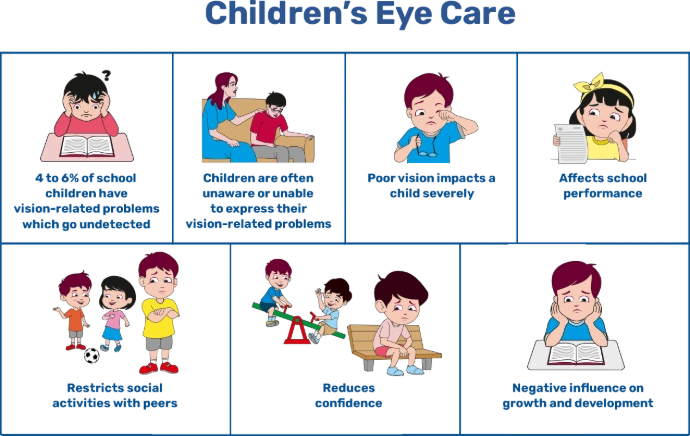
  • Regular eye examinations can identify vision problems before they affect a child's learning, development, and academic performance.
Our Pediatric Eye Care Services


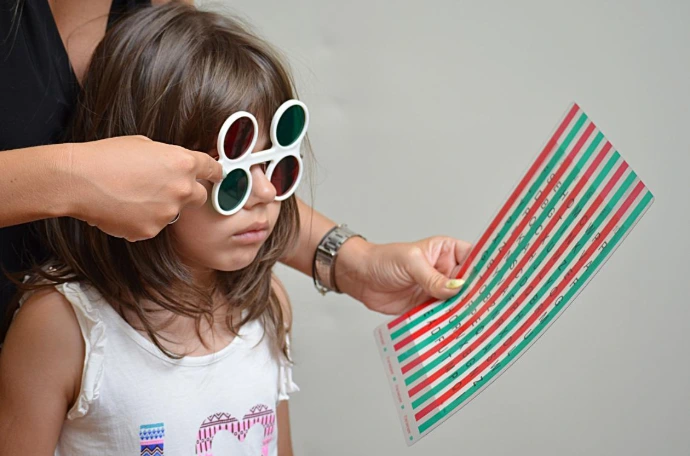
Comprehensive eye examinations for children


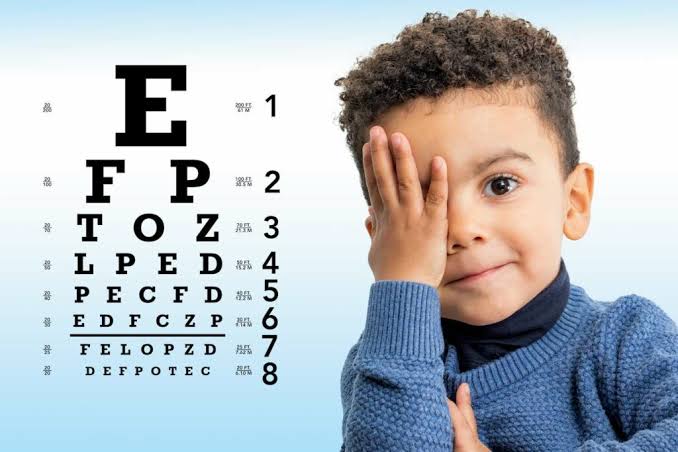
Vision screening and assessment


Pediatric refraction and prescription of spectacles


Lazy eye (Amblyopia) management


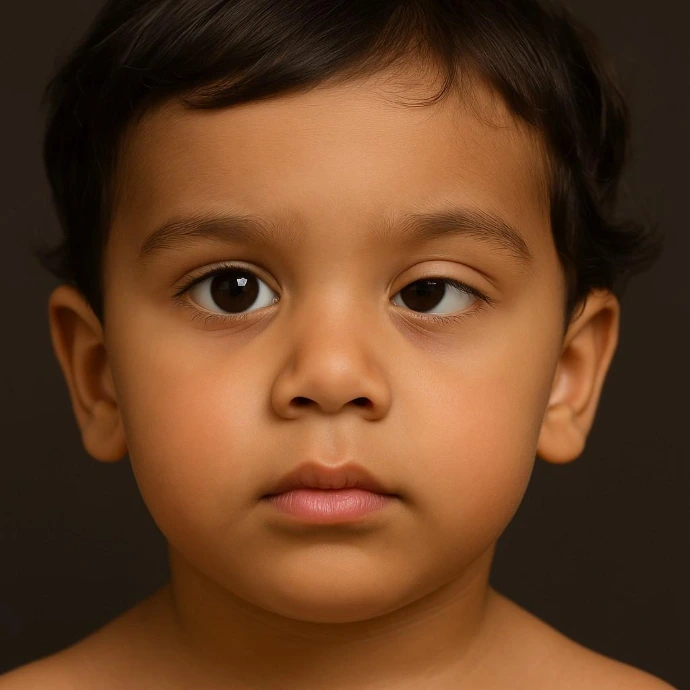
Squint (Strabismus) evaluation


Childhood cataract evaluation


Congenital and developmental eye conditions


Eye allergy and common childhood eye infections


Management of refractive errors


Monitoring of children at risk of vision problems


Follow-up care for children requiring ongoing treatment

At Divya Drishti Advance Eye Care, our approach combines careful examination, appropriate treatment, and regular follow-up to support healthy vision throughout childhood. Our goal is to help every child see clearly and develop their visual potential.

care
Where innovation meets performance

Why Early Eye Care Matters

Undetected vision problems during childhood can affect learning, concentration, school performance, and overall development. Early examination can help identify problems before they significantly affect a child's vision.

Parents are encouraged to seek an eye examination if a child frequently squints, sits too close to the television, complains of headaches or blurred vision, has difficulty reading, experiences eye strain, or shows an abnormal eye position.

Frequently asked questions

Here are some common questions about our Hospital.

Back

Children should have their eyes examined if there are concerns about vision, eye alignment, frequent headaches, squinting, or difficulty seeing. Routine screening is also recommended during childhood, even when no obvious symptoms are present.

Glasses may be prescribed if a child has a refractive error that affects vision or visual development. A proper eye examination is necessary to determine whether glasses are required.

Most pediatric eye examinations are non-invasive and painless. Depending on the child's age and the examination required, special eye drops or child-friendly vision tests may be used.

Many childhood eye conditions can be effectively managed when detected early. Treatment may include glasses, patching, eye drops, vision therapy in selected cases, or surgery when medically indicated.

Early detection and treatment can help prevent permanent vision loss and support normal visual development. A child's vision is an important part of learning, development, and overall quality of life.